SQLITE NOT INSTALLED
Finding an old coin in a drawer can spark a surprising mix of curiosity and uncertainty. Is it worth a few cents, a few dollars, or enough to change how you think about your attic? Knowing how to check the value of an old best free coin identifier app doesn’t require a degree in numismatics, but it does demand patience, careful observation, and a method. This guide walks you through the process from “what is it?” to “what is it worth?” with practical tips you can use right away.
Why coin value is rarely obvious
Value isn’t just about age. Two coins minted the same year can be worth dramatically different amounts because of condition, rarity, demand, and whether the coin has been altered. A well-worn rare issue can fetch less than a high-grade common coin of the same series. The market reacts to both measurable facts—mintage numbers, metal content—and subjective factors—collector taste, current trends. That mix is why a proper approach matters.
Step-by-step: How to check an old coin’s value
1. Identify the coin
Before any valuation, you must identify the coin. Look for the country, denomination, date, and any mintmarks or letters that indicate where it was struck. Use a magnifying glass and good light. Note design features: portraits, shields, wreaths, inscriptions, and any unusual symbols. Photographs are helpful—take clear, well-lit pictures of both sides and any edge markings.
2. Record the coin’s physical traits
Write down the diameter, weight, and metal if you can determine it without damaging the coin. A digital caliper and a postal or jewelry scale are inexpensive tools that add precision. Metal composition matters: silver, gold, and high-relief copper pieces can have intrinsic value beyond collector interest. Also note color, luster, and any signs of corrosion or cleaning.
3. Grade the condition
Condition drives value. Grading is a scale from 1 to 70 (the Sheldon scale) used by hobbyists and professionals. Roughly: grades 1–2 are heavily worn, 20–40 show circulation with varying detail loss, and 60–70 are mint state with no wear. You don’t need to assign an exact number to start; use simple categories—Poor, Fair, Good, Very Good, Fine, Very Fine, Extremely Fine, About Uncirculated, Mint State—and compare your coin to images in reputable guides.
4. Check for alterations and cleaning
Cleaning a coin—even with gentle methods—can dramatically reduce its value to collectors. Look for scratches, unnatural shine, hairlines, or pitting that signal cleaning or chemical treatment. Similarly, repairs, plugs, or re-engraving are red flags. If a coin looks “too new” for its age, treat it with suspicion and seek expert opinion before assuming value.
5. Determine rarity and mintage
Rarity is about more than the number minted. Survival rate (how many examples still exist), known varieties, and distribution affect scarcity. Search mintage figures in reference books and online databases. Varieties—such as doubled dies, repunched mintmarks, or design errors—can elevate value even when total mintage was high.
6. Authenticate and consider certification
If the coin might be valuable, consider third-party grading and authentication by established services like PCGS or NGC. Certification provides a professional grade and tamper-evident holder, which usually increases marketability and price. For modest-value coins, certification costs may outweigh benefits, so weigh the potential upside before sending coins in.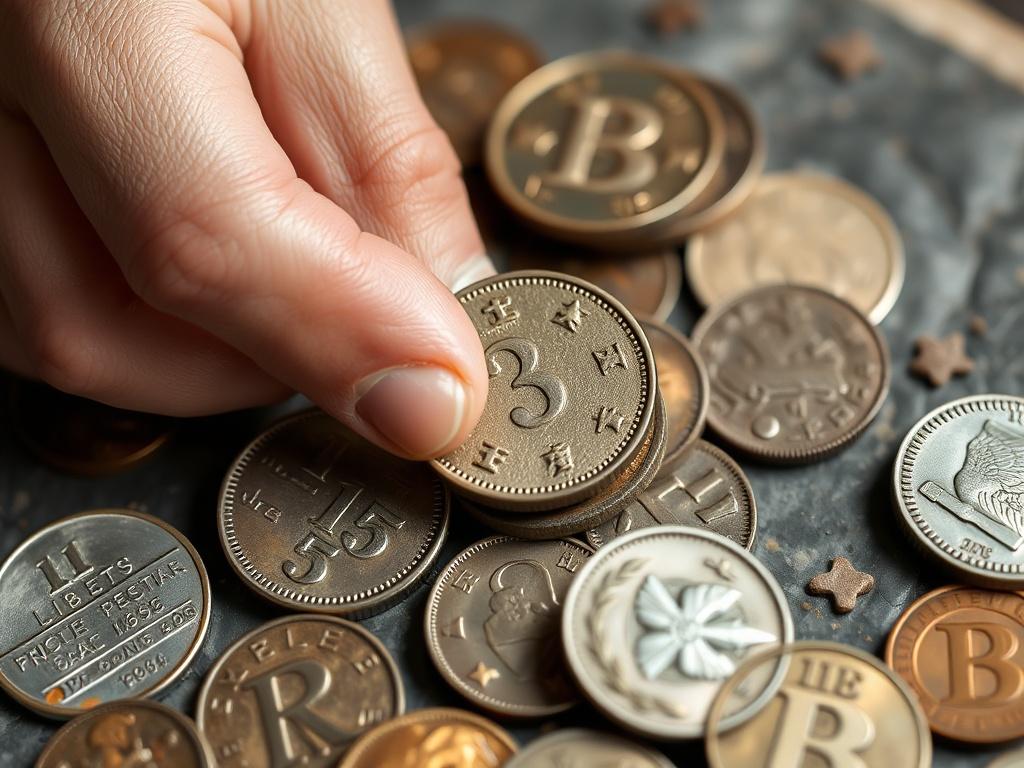
7. Use price guides and online tools
Start with multiple sources: printed catalogs, the PCGS Price Guide, NGC Price Guide, Krause’s Standard Catalog, and auction archives. Price guides give ranges, not guarantees. Check recent auction results and completed eBay listings to see what similar coins actually sold for. An up-to-date comparison across platforms provides a realistic market picture.
8. Cross-check with dealers and collectors
Local coin shops, reputable online dealers, and collector forums can help confirm identification and provide ballpark valuations. Be mindful of biases: a dealer might offer a wholesale price, while a buyer in a private sale might pay closer to retail. Use multiple opinions to form an estimate rather than relying on a single source.
9. Decide how to sell, if at all
Selling channels affect final price. Options include local coin shops, auctions (live or online), dealer consignment, eBay, and collector-to-collector sales. Auctions often yield the best prices for rare, high-grade items but charge fees. Private sales can be quicker and more convenient but might bring lower offers. Match the sale method to the coin’s estimated value and your willingness to wait.
10. Document and store properly
Keep a record of every important detail: photographs, measurements, purchase or appraisal receipts, and provenance if known. Store coins in climate-controlled, acid-free holders or certified slabs. Proper storage preserves condition—thereby protecting value—while clear documentation helps establish trust during future sales.
Practical checklist
- Identify country, denomination, date, and mintmark.
- Photograph both sides under good light and with magnification.
- Measure diameter and weight; note metal type.
- Assign a condition category; compare to reference images.
- Search price guides and recent auction/eBay results.
- Check for cleaning, repairs, or alterations.
- Decide if certification is worth the cost.
- Choose a selling channel that fits the coin’s value.
- Document provenance and keep proper storage.
Common mistakes to avoid
The most frequent errors are hasty judgments, cleaning coins, and relying on a single price guide. Don’t assume face value or age equals collector value. Avoid harsh cleaning—chemicals and abrasives remove surface detail and original finish, which collectors prize. And don’t trust a single “value” listed online; use multiple recent sale records to triangulate a realistic number.
Quick-reference table: Factors that affect a coin’s value
| Factor | What to look for | How it affects value |
|---|---|---|
| Date and Mintmark | Year on the coin and small letters indicating mint | Rare dates/mints can increase value substantially |
| Condition (Grade) | Wear, luster, scratches, strike quality | Higher grades usually command much higher prices |
| Rarity/Survival | Mintage numbers and known surviving examples | Lower survival = higher collector demand |
| Variety/Error | Doubled dies, misprints, unusual features | Errors/varieties often add premium value |
| Metal Content | Silver, gold, platinum, or copper composition | Intrinsic metal value sets a price floor |
| Authentication | Third-party certification or expert verification | Certified coins sell more easily and often for more |
| Provenance | Documented ownership history or famous collections | Strong provenance can boost desirability |
Where to go for more information
Some reliable resources include PCGS, NGC, Heritage Auctions, and the Standard Catalogs by Krause. Local coin clubs and shows are excellent for hands-on learning; you’ll see coins and speak to people who handle them regularly. Collector forums and Facebook groups can be useful, but double-check information you receive there using professional references.
Using online marketplaces intelligently
When examining online listings, filter by “sold” or “completed” to see true market prices. Pay attention to grade, photos, and seller reputation. Be cautious of listings that use stock images or vague descriptions. High-resolution photos of the coin you’re interested in are essential for a fair comparison.
When to seek a professional appraisal
Get a professional appraisal if a coin might be worth several hundred dollars or more, if the piece is unusual, or if you’re preparing an estate or insurance claim. Certified appraisers and reputable dealers can provide written valuations. Keep in mind that appraisals come with fees and may reflect retail or insurance values depending on the purpose.
Special considerations for foreign or ancient coins
Older coins—ancient Greek, Roman, or medieval—require specialist knowledge. Many modern value guides don’t cover them well. Authentication is especially important because fakes and replicas are common. Consult an expert in ancient coins or a specialized auction house before making decisions about cleaning, certifying, or selling.
Negotiation and selling tips
Set a target price range based on your research, and be ready to present documentation and photographs. If selling to a dealer, expect an offer below retail since dealers need margin. Auctions and consignment can yield higher prices but include fees and time delays. For high-value items, multiple sale attempts in different venues can help find the best buyer.
Final practical tips
Handle coins carefully by the edges, wear cotton gloves if possible, and avoid adhesives or tape. Use inert holders, like Mylar flips or archival-quality envelopes, not PVC plastics that can damage surfaces. Keep a simple inventory spreadsheet with photos and notes—this small habit makes future valuation and sales much smoother.
Conclusion
Checking the value of an old coin combines careful observation, research, and common sense. Start by identifying and documenting the coin, assess its condition, watch for signs of cleaning or alteration, consult multiple price guides and recent auction results, and consider third-party certification when the coin is potentially valuable. Use local experts and online marketplaces to cross-check your findings, and protect the coin in proper storage. With methodical steps and a healthy dose of skepticism, you’ll get a realistic sense of what your old coin is really worth.

 Loading...