SQLITE NOT INSTALLED
Fire safety in residential buildings is not an abstract legal requirement tucked away in a dusty code book — it is a practical, human-centered mission that saves lives, preserves property, and gives people the confidence to sleep through the night. In Germany and across Europe, the topic of Brandschutz im Wohnungsbau combines technical regulation, thoughtful design, and rapid technological innovation. This article walks you through the rules that matter, the principles that guide good design, and the modern solutions that turn regulation into reality.
Whether you are a homeowner, architect, builder, property manager, or simply someone who wants to understand how their apartment block is kept safe, the following pages will provide an approachable, detailed guide. We’ll cover the regulatory landscape, the difference between passive and active fire protection, retrofit strategies for older buildings, the latest smart technologies, real-world pitfalls to avoid, cost considerations, and a practical checklist you can use right away.
Read on: by the end you’ll understand not just what the laws require, but why they exist and how contemporary approaches make living spaces both safer and more comfortable. This is Brandschutz im Wohnungsbau explained in human terms — thorough, practical, and full of useful examples.
Why fire protection in residential buildings matters
Every year, fires cause devastating harm in homes: injuries, deaths, and the loss of irreplaceable memories and possessions. The residential context brings particular challenges: people often sleep while fires start, domestic electrical appliances and cooking activities create many ignition sources, and the intimate layout of homes means fire and smoke can spread quickly through rooms and stairwells. Effective fire protection addresses all of these factors simultaneously.
From a societal perspective, good fire protection also reduces the burden on emergency services, lowers reconstruction costs, and decreases disruption for tenants and neighbours. Fire safety improves overall resilience: a building that survives a fire with limited damage can be repaired and returned to use faster, reducing displacement and social costs. For property owners and managers, demonstrating robust Brandschutz im Wohnungsbau also lowers liability and can reduce insurance premiums.
So this isn’t just about compliance paperwork: it’s about designing habitable spaces that account for human behaviour, technical risk, and communal needs. The next sections explain how regulations set minimum standards and how modern solutions often go beyond what the rules demand to create genuinely safer homes.
Core regulations and standards affecting residential fire protection
In Germany, fire protection requirements in residential construction are shaped by federal model laws, state building codes, and technical standards. The Model Building Code (Musterbauordnung, MBO) establishes a framework that each Bundesland translates into its own Landesbauordnung (LBO). These state laws set rules for escape routes, fire compartments, structural fire resistance, and the installation of fire doors and stairwells.
Beyond the building codes, technical standards such as DIN and EN norms define material behavior and testing methods. For example, classifications like DIN 4102 and EN 13501 describe how building materials behave in fire and how to test for combustibility and spread of flame. This dual system — legal requirements combined with technical standards — ensures both minimum safety and clear, reproducible testing of products and systems.
One especially visible regulatory area in residential buildings is smoke alarms. In recent years, all German states have adopted laws requiring smoke detectors in bedrooms and escape corridors. While the specific timing and detailed requirements can differ from state to state, the result is uniform: most apartments and houses must be equipped with properly installed and maintained smoke alarms. For large or complex residential buildings, additional requirements may include automatic fire detection systems, sprinkler systems, and coordinated fire alarm installations tied into building management systems.
Regulatory responsibilities are shared. Architects and engineers must design to the codes, builders must install to the approved plans, and property owners or managers are often responsible for ongoing maintenance and documentation. Fire authorities and building supervisory bodies oversee compliance and may require adjustments or improvements where standards aren’t met.
Important elements typically regulated
The following elements frequently appear in residential fire protection regulations. These are not exhaustive, and local laws will specify exact thresholds, but they outline the central concerns of Brandschutz im Wohnungsbau.
- Escape routes and stairwell design: minimum widths, fire resistance of partitioning, and protection of exits to ensure safe evacuation.
- Fire compartmentation: dividing buildings into compartments that limit the spread of fire and smoke for a given duration.
- Fire-resistant constructions: elements like walls, floors, and ceilings must meet fire-resistance ratings (e.g., 30, 60, 90 minutes).
- Fire doors and closures: certified doors with self-closing mechanisms and smoke seals to preserve compartmentation.
- Smoke detection and alarm systems: point detectors or integrated systems to provide early warning, often mandatory in sleeping areas.
- Automatic extinguishing systems: sprinkler or water-mist systems in higher-risk or higher-occupancy residential buildings.
- Material selection: guidance on non-combustible or limited-combustibility claddings and insulation materials.
- Fire service access and rescue routes: ensuring firefighters can reach and fight fires effectively.
Each of these elements intersects with daily life and building design decisions. The better they are coordinated from the start, the more effective the overall protection becomes.
Passive versus active fire protection: two sides of the same coin
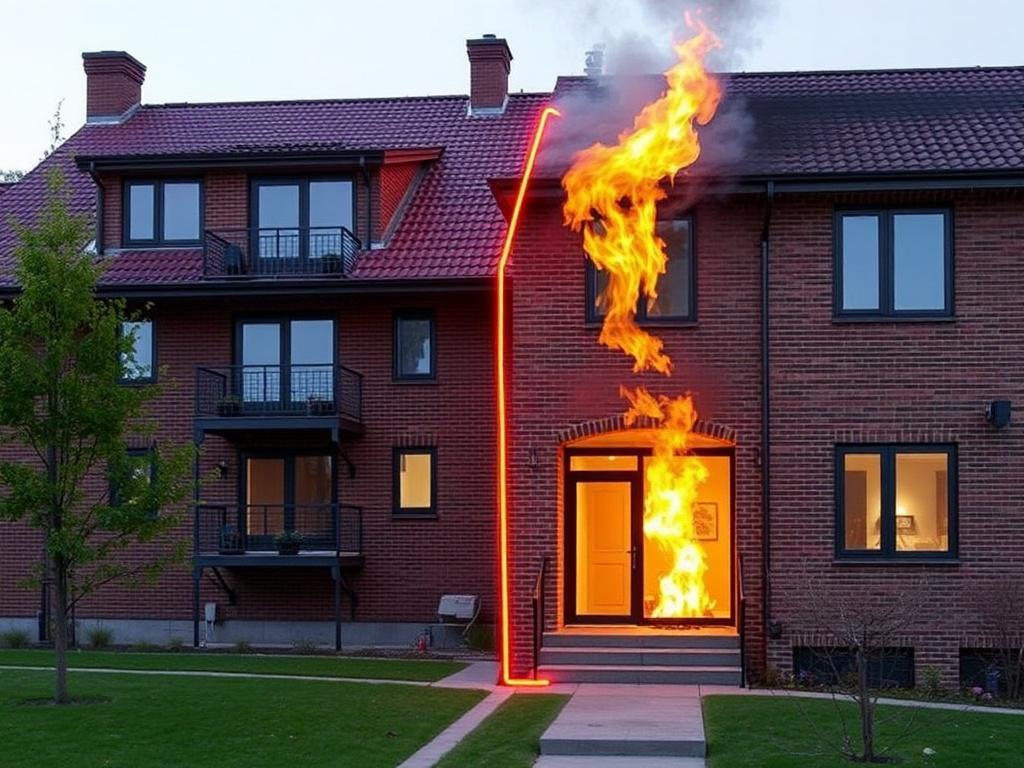
Understanding the distinction between passive and active fire protection helps designers and owners prioritize measures. Both are essential and complementary.
Passive fire protection consists of built-in features that slow or prevent the spread of fire and smoke without requiring power or human intervention. Think of fire-resistant walls, compartmentation, fire doors, and intumescent seals. These features give occupants more time to evacuate and limit the extent of damage. Passive measures are often invisible to residents — but they are crucial and must be properly detailed and maintained, especially at junctions, penetrations, and service routes.
Active fire protection relies on detection and intervention systems. Smoke detectors, heat sensors, alarm systems, automatic sprinklers, and smoke extraction systems are active measures. They detect a fire, alert occupants, and in many cases act to suppress or control it. Active systems need power, maintenance, and often human oversight; however they provide fast response and can dramatically reduce fire growth if they activate correctly.
The most robust outcomes occur when passive and active measures are designed to work together. For example, compartmentation slows the spread of fire while a sprinkler system controls it locally and smoke detectors alert residents. When these systems are integrated into building management and emergency plans, they produce reliable and effective protection tailored to the building’s use and risk profile.
Examples of passive measures in residential buildings
Passive measures are particularly important in multi-family dwellings where a single fire could threaten many residents. Typical passive features include:
- Fire compartment walls and floors that separate apartments and service areas.
- Fire-resistant stairwells and protected elevator shafts that serve as escape routes.
- Certified fire doors with automatic closers between corridors and apartments.
- Fire-stopping for cable penetrations and HVAC ducts to preserve compartment integrity.
- Non-combustible or limited-combustible external cladding and insulation where required.
These measures are meant to function with no user action: their value depends on correct installation, appropriate classification, and consistent maintenance.
Examples of active measures in residential buildings
Active systems are critical for early detection and suppression. Common active interventions include:
- Battery-powered or mains-connected smoke alarms in bedrooms and hallways.
- Addressable fire alarm systems in larger apartment blocks, connected to central monitoring.
- Automatic sprinkler systems, especially in high-rise or high-occupancy housing.
- Smoke extraction systems in stairwells and corridors to keep escape routes breathable.
- Emergency voice and alarm communication systems in large residential buildings or senior-care accommodations.
Active systems are effective, but they need maintenance schedules, testing, and sometimes backup power provisions to remain reliable over time.
Modern solutions: technology and smart design
Brandschutz im Wohnungsbau has benefitted from rapid technological advances. Smart detectors, networked alarm systems, and new suppression technologies complement traditional designs. The focus is on earlier detection, targeted suppression, and better information for occupants and emergency services.
Smart smoke detectors now differentiate between harmless cooking smoke and real danger, reducing false alarms. Integrated detectors can communicate with building management systems and with residents’ smartphones, delivering verified alerts and instructions. Addressable systems allow firefighters to pinpoint the exact location of detectors that triggered, saving critical minutes during the initial response.
In suppression, innovations like low-pressure water-mist systems provide effective extinguishing with less water damage than traditional sprinklers. Condensed aerosol systems and clean-agent suppression are used in special circumstances where water would be damaging. Automatic shut-down links — for example, that isolate HVAC systems to prevent smoke spread, or that cut off gas supplies — are increasingly integrated into smart safety schemes.
Building materials and timber construction
Historically, timber was seen as a risky choice for multi-storey residential construction. Recent engineering, however, has allowed safe timber buildings through a combination of compartmentation, protective cladding, and surface treatments. Cross-laminated timber (CLT) structures can perform well in fire when protected correctly; thick timber elements char in a predictable way that preserves structural integrity for a designed period.
Modern timber buildings combine passive protection (sacrificial charring design, protected connections) with active systems (sprinklers, detection) to meet regulatory demands. This makes timber an attractive, sustainable choice for many projects without compromising Brandschutz im Wohnungsbau — but only if fire engineering principles are applied during design.
IoT, monitoring and predictive maintenance
Internet of Things (IoT) devices allow continuous monitoring of detectors, door closers, sprinkler system status, and even heat signatures in technical rooms. Predictive maintenance uses data analytics to spot failing components before they lead to an outage. For example, battery levels, sensor contamination, or door closer degradation can trigger alerts to building managers, ensuring systems remain operational and compliant.
Remote diagnostics also reduce the cost of inspections and increase reliability — a boon for housing associations managing many properties. When smoke detector networks are connected to monitoring centers, verified alarms can be escalated to emergency responders automatically, cutting out delays associated with false positives and manual verification.
Retrofitting older buildings: practical steps and priorities
Many residential buildings were constructed before modern fire safety expectations. Retrofitting such buildings requires pragmatic prioritization: start with simple, high-impact measures and scale to more complex interventions as budgets and constraints allow.
First, ensure reliable smoke alarms in all sleeping rooms and escape routes. This is often inexpensive and saves lives. Second, manage and upgrade compartmentation where possible: seal large cable and pipe penetrations, repair damaged fire doors, and ensure that stairwells and corridors are unobstructed and protected. Third, evaluate the need for active systems like sprinklers in shared circulation areas or sprinkler protection for vulnerable flats (e.g., those housing the elderly).
Where full sprinkler retrofits may be costly, partial measures such as heat detectors in common areas linked to a central alarm, or local suppression in technical rooms and kitchens, can provide meaningful improvement. Importantly, all retrofits must respect the building’s structural and architectural limitations and be coordinated with fire authorities to ensure compliance and effectiveness.
Practical retrofit checklist
When planning a retrofit, the following ordered steps can guide decision-making:
- Conduct a fire safety audit with a qualified expert to identify immediate risks and non-compliances.
- Install or replace smoke detectors in sleeping areas and escape routes; ensure they are interlinked where possible.
- Repair and maintain existing fire doors; replace defective hardware and ensure doors close and latch correctly.
- Seal penetrations and gaps in fire-resisting elements; upgrade fire-stopping around pipes and cables.
- Clear and mark escape routes; add emergency lighting and signage where required.
- Consider targeted active systems (e.g., sprinklers in vulnerable flats, water-mist in boiler rooms).
- Implement a maintenance and inspection plan and document compliance for insurers and authorities.
These steps create a staged approach: quick wins first, deeper investments later.
Common pitfalls and how to avoid them
Even well-intentioned projects can fall short. Common pitfalls include poor coordination between trades, unauthorized modifications that compromise compartmentation, and neglecting maintenance. Planning, documentation, and clear responsibilities prevent many of these issues.
A frequent problem arises when service installations — cables, pipes, ducts — penetrate fire-rated walls and floors without proper fire-stopping. Another is replacing a certified fire door with a non-certified one for aesthetic reasons, undoing an essential life-safety feature. False alarms from poorly located or incorrectly specified detectors can lead occupants to disable systems, defeating their purpose.
To avoid these mistakes, involve a fire protection specialist early, use certified products with appropriate documentation, maintain a log of inspections and repairs, and train residents and staff on alarm procedures and the importance of keeping passive fire protection intact. Regular maintenance contracts and periodic audits ensure that systems remain reliable over time.
Role of documentation and communication
Detailed documentation — including as-built plans, product certificates, inspection logs, and maintenance records — is essential. These papers are required by building authorities and insurers, and they are invaluable during refurbishments. Clear communication with residents about the purpose of measures, alarm testing schedules, and evacuation plans reduces disruption and increases compliance.
Communication also matters during emergencies. Modern systems can broadcast tailored instructions to residents’ phones, display messages in corridors, and inform emergency services precisely where a problem exists. Investing in these communication links can be as life-saving as the detection and suppression equipment itself.
Costs, financing and incentives
Cost is often the limiting factor in upgrading fire safety. Simple measures like smoke detectors are inexpensive; installing sprinklers or extensive compartmentation can be costly. However, the financial picture is nuanced: insurers may reduce premiums for buildings with certified protection, and the avoided cost of a significant fire — both financial and social — is substantial.
In many jurisdictions there are grants or low-interest loans to support safety-related retrofits, especially in social housing or projects that increase safety for elderly and vulnerable occupants. Local fire authorities sometimes offer consultancy or partial funding for safety assessments. Developers can also achieve market differentiation by advertising superior fire safety as a selling point, potentially increasing rental or purchase value.
When making investment decisions, consider whole-life costs: systems that include monitoring and maintenance plans often deliver better long-term performance and lower unexpected repair costs. A cost-benefit analysis that factors in risk reduction, insurance savings, and resident safety gives a clearer picture than upfront installation costs alone.
Practical table: comparing common fire protection measures
The table below summarizes the purpose, typical residential uses, advantages, and challenges of common measures used in Brandschutz im Wohnungsbau. Use it to prioritize interventions appropriate to your building.
| Measure | Purpose | Typical Residential Use | Advantages | Challenges |
|---|---|---|---|---|
| Smoke detectors | Early warning | Mandatory in bedrooms and corridors | Low cost, saves lives | Maintenance (battery changes), false alarms |
| Sprinkler systems | Automatic suppression | High-rise, large apartment blocks, vulnerable housing | Highly effective at controlling fire growth | Higher installation cost, water damage, retrofit complexity |
| Fire compartmentation | Limit fire spread | Separating flats, technical rooms | Passive, reliable, no power needed | Must be maintained; penetrations reduce effectiveness |
| Fire doors | Protect escape routes and compartments | Entrances to corridors and stairwells | Highly effective when certified and maintained | Doors propped open, damaged seals, poor replacements |
| Smoke extraction | Keep escape routes clear | Stair cores, corridors | Improves tenability of escapes | Requires power and control logic; expensive to retrofit |
| Intumescent coatings | Protect structural members | Steel beams, timber elements | Cost-effective protection of structure | Requires correct application and maintenance |
Case studies and real-world examples
Consider a mid-rise apartment block built in the 1970s. After a fire risk assessment, the building owner implemented an upgrade plan: interlinked smoke detectors in every flat and corridor, new fire doors on every apartment entrance, sealing of major penetrations in corridors, and a monitored central alarm system tied to a local service provider. Costs were phased over two years, and due to the improved safety profile, the insurance premium was reduced. Residents felt safer and the building met modern regulatory expectations.
Another example is a new five-storey timber-framed residential complex. The design team treated fire safety as integral to the architecture: external cladding was non-combustible, apartments were designed as fire compartments, sprinkler systems were installed in shared spaces, and an intelligent alarm system monitored the building 24/7. Fire engineering calculations justified the timber structure’s fire performance and satisfied local authorities, showing that sustainable materials and robust Brandschutz im Wohnungsbau can go hand in hand.
Each case emphasizes collaboration: architects, structural engineers, fire safety experts, and the building owner worked together from concept through construction. That coordination is often the difference between a compliant building and a truly safe one.
Checklist for homeowners, managers and builders
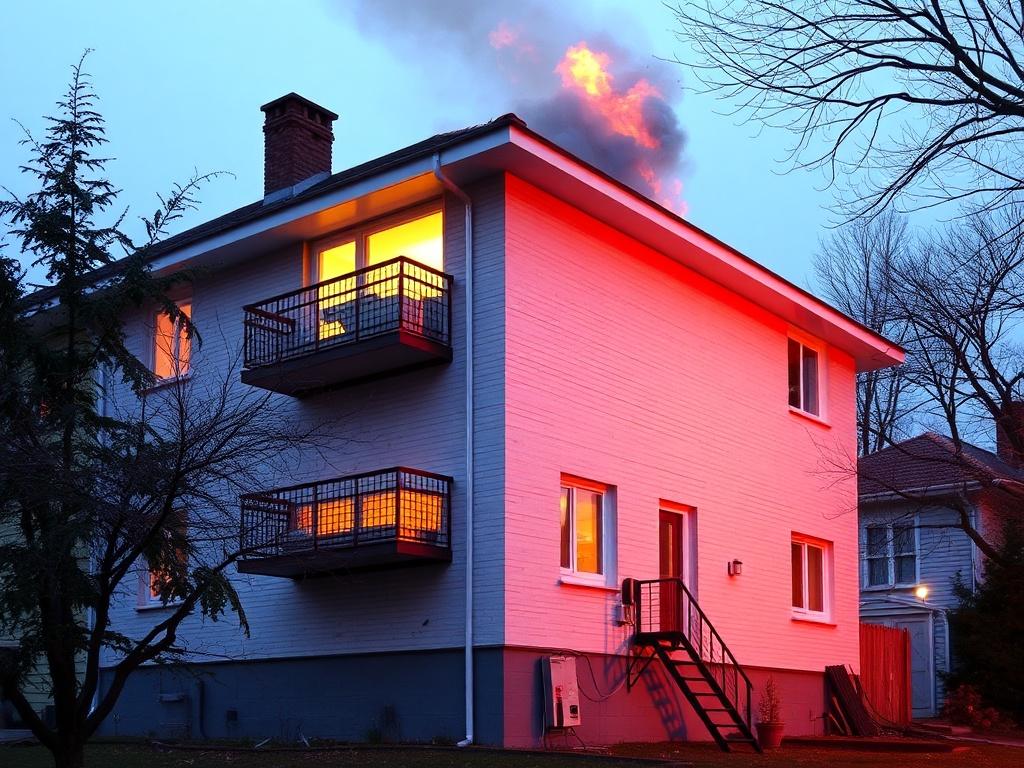
Here is a compact checklist to keep on hand. It covers immediate safety items, medium-term upgrades, and ongoing responsibilities.
- Immediate: Ensure working smoke detectors in bedrooms and halls; test regularly and replace batteries or units as needed.
- Short-term: Repair or replace faulty fire doors and remove obstructions from escape routes.
- Medium-term: Audit compartmentation and seal major penetrations; evaluate need for sprinklers or enhanced detection in high-risk areas.
- Long-term: Consider integrated smart alarm and monitoring systems with remote diagnostics and central monitoring.
- Maintenance: Set a schedule for annual inspections of alarms, quarterly checks of door closers, and regular fire-stopping inspections after any renovation work.
- Documentation: Keep certificates, inspection records, and as-built fire safety plans stored centrally and available for authorities and insurers.
- Resident engagement: Provide clear evacuation plans, hold periodic drills, and communicate the purpose of fire safety measures to residents.
Final thoughts on balancing regulation, design and innovation
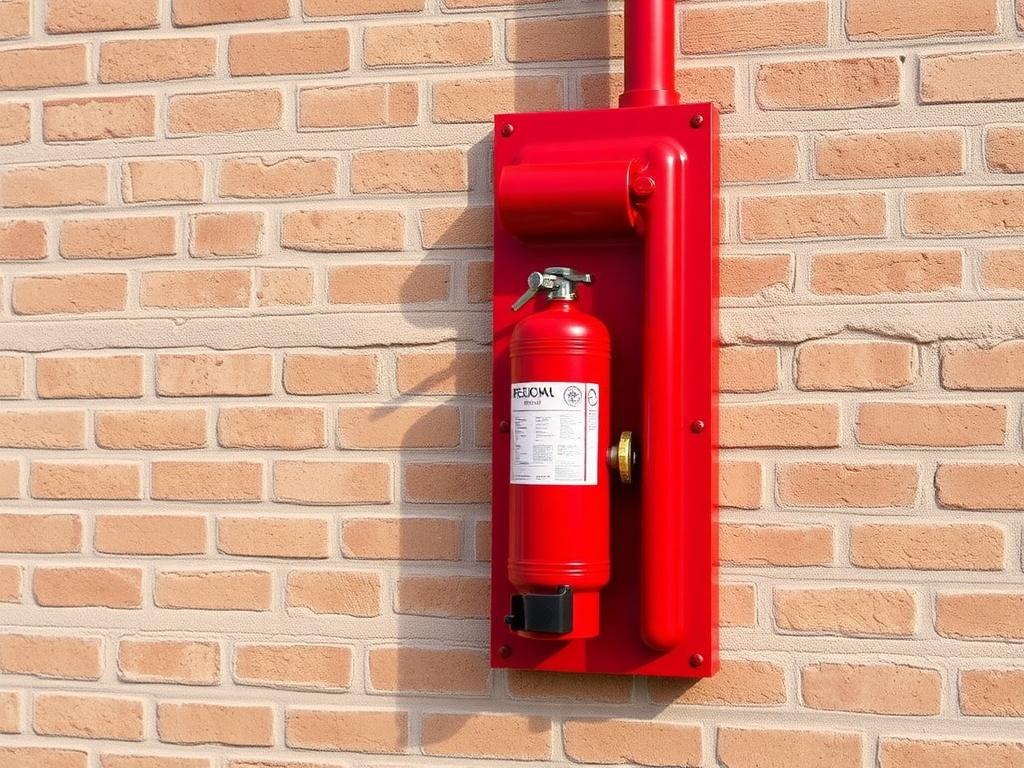
Brandschutz im Wohnungsbau is a living field where regulation sets a necessary baseline and innovation raises the standard of what is practical and affordable. Regulations ensure a minimum level of safety for everyone, but designers and managers can — and should — use modern technologies and thoughtful design to go further. Effective fire protection is both technical and human: it relies on good products and systems, but also on maintenance, informed occupants, and competent oversight.
The most resilient approach pairs passive and active measures, uses data to keep systems healthy, and treats fire safety as an integrated discipline rather than an afterthought. Whether you’re renovating a historic Siedlung, designing a contemporary timber building, or managing a large housing stock, the principles are the same: prioritize early warning, protect escape routes, preserve compartmentation, and integrate smart monitoring and suppression where appropriate.
By understanding the why behind the rules and applying modern solutions with care, brandschutz in residential construction becomes more than compliance: it becomes an investment in security, longevity, and community well-being.
Conclusion
Fire protection in residential buildings combines regulation, engineering and human behaviour into a system that protects life and property; by understanding core laws, applying both passive and active strategies, embracing modern technologies like smart detection and sprinklers where appropriate, and committing to regular maintenance and clear resident communication, builders and owners can create safe, resilient homes that meet today’s challenges and tomorrow’s expectations.

 Loading...